
Careers in Transportation

Written by Loxley Browne
The world of transportation is undergoing a revolution, driven by advancements in science, technology, engineering, and mathematics (STEM). From the development of cutting-edge vehicles to the implementation of intelligent traffic systems, professionals in STEM fields are playing a pivotal role in shaping the future of transportation. In this article, we’ll explore the diverse and dynamic STEM career paths within the transportation sector, highlighting the intersection of engineering, technology, science, art, research, and mathematics.
Engineering Marvels in Transportation
Engineers are at the forefront of transforming transportation through innovative designs and solutions. Civil engineers design and construct transportation infrastructure such as roads, bridges, and tunnels. Mechanical engineers contribute to the development of efficient engines and propulsion systems for vehicles, while electrical engineers work on the electronic systems that enhance safety and performance.

The rise of electric and autonomous vehicles has created exciting opportunities for engineers. Battery technology advancements, sensor integration, and artificial intelligence are areas where engineers contribute to the development of sustainable and intelligent transportation solutions.
Technology and Innovation
Technology plays a crucial role in shaping the future of transportation. Software developers and computer scientists work on creating algorithms for traffic optimization, designing user-friendly interfaces for transportation apps, and developing software for autonomous vehicles.
The integration of Internet of Things (IoT) devices, real-time data analytics, and machine learning has enabled the creation of smart transportation systems. These systems not only enhance efficiency but also contribute to reducing traffic congestion and improving overall safety.
Science in Motion
Scientific research is fundamental to understanding the complexities of transportation and finding solutions to its challenges. Researchers in the transportation sector explore aerodynamics, materials science, and environmental impact to develop vehicles that are not only efficient but also environmentally friendly.
For example, scientists are researching alternative fuels, such as hydrogen and biofuels, to reduce the environmental impact of transportation. Additionally, atmospheric scientists study the effects of transportation on air quality and climate change, providing valuable insights for sustainable development.

Don’t be afraid to try something new. Embrace the unknown and see where it takes you.
–Mike Rowe
The Art of Design
While STEM disciplines provide the foundation for transportation advancements, art and design are integral components that enhance user experience and aesthetics. Industrial designers work on the visual aspects of vehicles, ensuring that they are not only functional but also appealing to consumers.
Human-computer interaction specialists collaborate with engineers and designers to create intuitive interfaces for vehicle controls and navigation systems. The marriage of art and STEM in transportation design results in vehicles that are not only efficient and safe but also aesthetically pleasing.
High-Skill Career Paths
STEM careers in transportation demand a high level of expertise and skill. As technology continues to evolve, professionals in these fields must stay abreast of the latest developments to remain competitive. Continuous learning and skill development are crucial for those pursuing careers in transportation-related STEM fields.
Salary Amounts and Compensation
The high demand for skilled professionals in transportation-related STEM fields is reflected in competitive salaries. Engineers, computer scientists, and researchers in the transportation sector often earn salaries above the national average. Specialized skills in areas such as artificial intelligence, data analytics, and electric vehicle technology can further enhance earning potential.


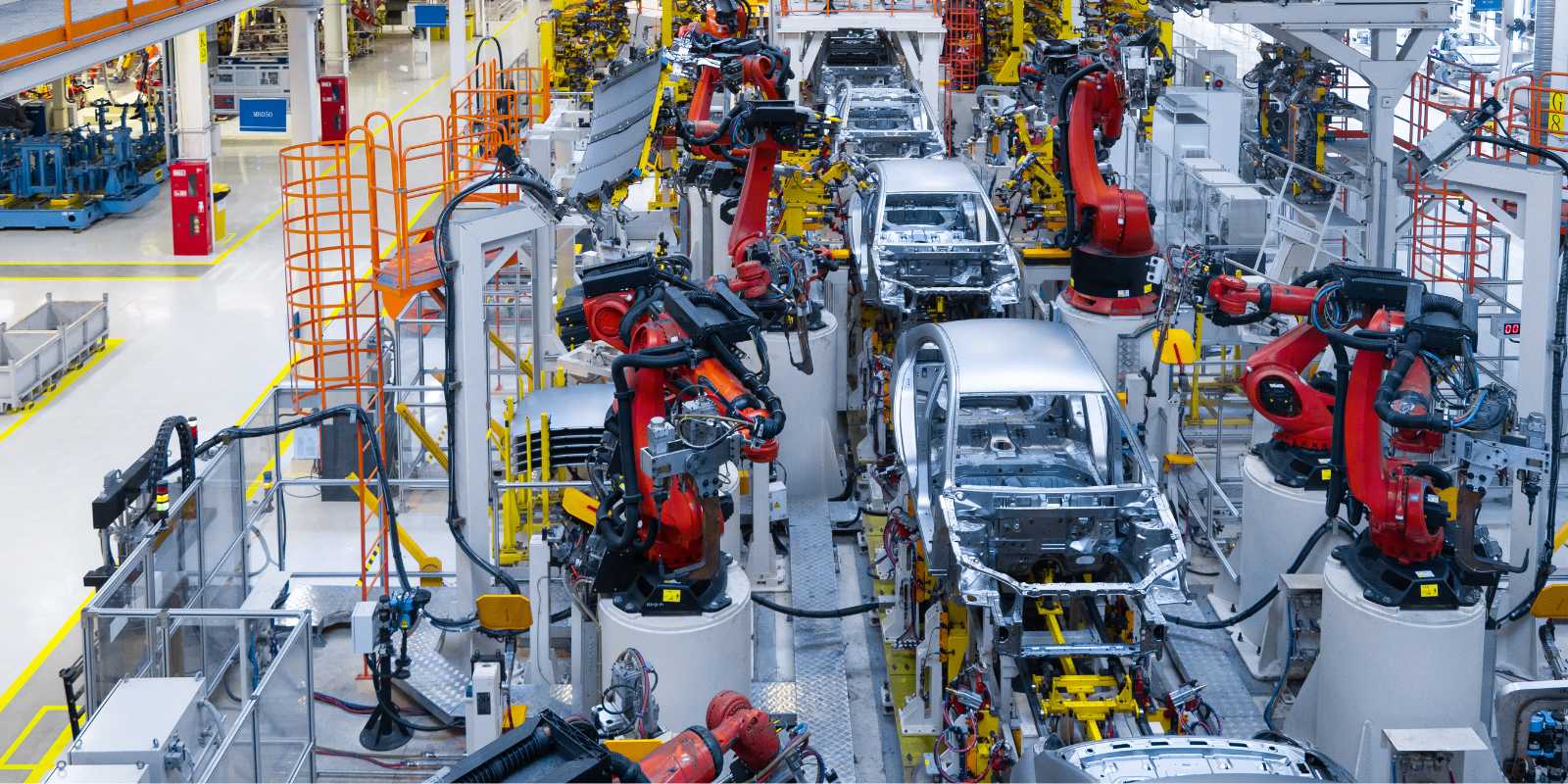
Automotive STEM careers encompass a wide range of roles that involve the design, development, manufacturing, and maintenance of vehicles. As technology continues to advance, the automotive industry is undergoing a significant transformation, incorporating innovations such as electric vehicles, autonomous driving, and connectivity. Here are various types of jobs in automotive STEM careers:
Automotive Design Engineer
- Focuses on the aesthetic and functional aspects of vehicle design.
- Utilizes computer-aided design (CAD) software to create detailed plans for vehicle exteriors and interiors.
Powertrain Engineer
- Specializes in the design and optimization of the powertrain, which includes the engine, transmission, and other components responsible for vehicle propulsion.
- Works on improving fuel efficiency, reducing emissions, and enhancing overall performance.
Chassis Engineer
- Focuses on the design and development of the vehicle’s chassis, suspension, steering, and braking systems.
- Works to ensure optimal handling, ride comfort, and safety.
Vehicle Dynamics Engineer
- Studies and enhances the dynamic behavior of vehicles, including factors like stability, traction, and handling.
- Utilizes simulation tools to analyze and optimize vehicle performance.
Automotive Test Engineer
- Conducts testing procedures to evaluate the performance, safety, and durability of vehicles and their components.
- Analyzes test data and collaborates with other engineers to address any issues.
Electrical and Electronics Engineer
- Works on the design and implementation of electrical systems, including wiring, sensors, and control units.
- Specializes in developing advanced driver-assistance systems (ADAS) and in-vehicle connectivity features.
Battery Engineer (Electric Vehicles)
- Focuses on the design and optimization of battery systems for electric vehicles.
- Works on improving energy density, charging times, and overall battery performance.
Autonomous Vehicle Engineer
- Specializes in developing technologies for self-driving vehicles.
- Works on sensor integration, artificial intelligence algorithms, and control systems to enable autonomous driving.
Quality Assurance Engineer
- Ensures that vehicles meet quality and safety standards through rigorous testing and inspection.
- Collaborates with other teams to address and resolve quality issues.
Manufacturing Engineer
- Focuses on optimizing the manufacturing processes for vehicle production.
- Implements automation and quality control measures to improve efficiency and reduce costs.
Materials Engineer
- Studies and develops materials for use in vehicle construction.
- Focuses on lightweight materials to improve fuel efficiency and overall vehicle performance.
Vehicle Safety Engineer
- Works on the design and implementation of safety features to protect occupants and pedestrians.
- Collaborates with regulatory agencies to ensure compliance with safety standards.
Automotive Research and Development (R&D) Scientist
- Conducts research to advance automotive technologies and address future challenges.
- Explores new materials, fuels, and technologies to improve vehicle efficiency and sustainability.
Connected Car Engineer
- Specializes in developing technologies that enable vehicles to communicate with each other and with infrastructure.
- Works on in-vehicle infotainment systems, telematics, and connectivity features.
Environmental Compliance Engineer
- Ensures that vehicles comply with environmental regulations and emission standards.
- Collaborates with regulatory bodies to address environmental concerns in automotive design.
These roles highlight the interdisciplinary nature of automotive STEM careers, where professionals with expertise in engineering, electronics, materials science, and computer science collaborate to drive innovation in the automotive industry. Whether it’s creating the next generation of electric vehicles or implementing advanced safety features, individuals in automotive STEM careers play a crucial role in shaping the future of transportation.


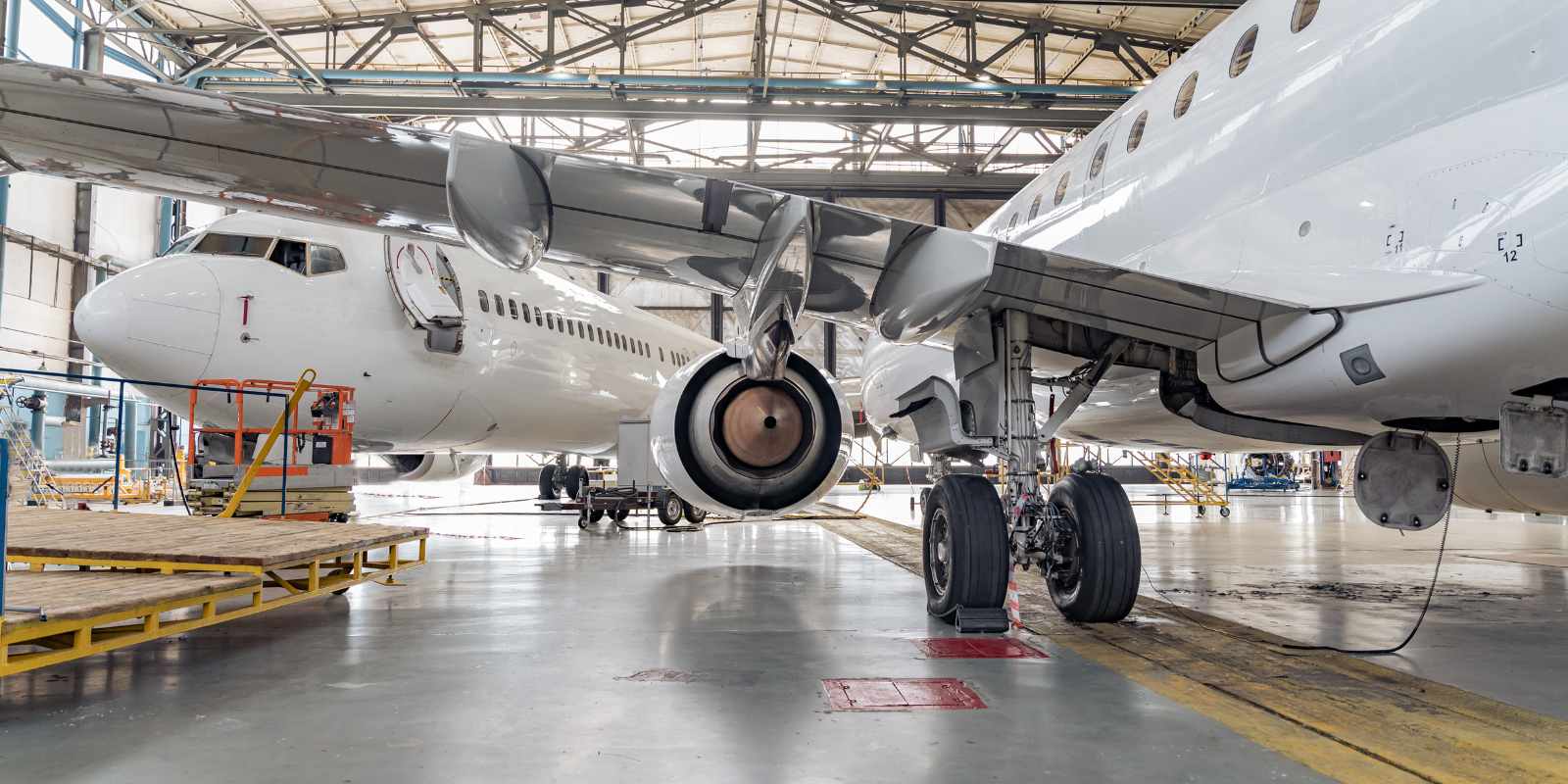
Aerospace STEM careers cover a broad spectrum of roles related to the design, development, manufacturing, and maintenance of aircraft and spacecraft. The aerospace industry is characterized by its focus on cutting-edge technology, innovation, and aeronautical advancements. Here are various types of jobs in aerospace STEM careers:
Aerospace Engineer
- Designs, develops, and tests aircraft and spacecraft.
- Specializes in areas such as aerodynamics, propulsion systems, structures, or avionics.
Astronautical Engineer
- Focuses on the design and development of spacecraft and systems for space exploration.
- Works on propulsion systems, life support systems, and orbital mechanics.
Aeronautical Engineer
- Specializes in the design and development of aircraft.
- Works on aerodynamics, materials, and structural components to optimize aircraft performance.
Avionics Engineer
- Designs and develops electronic systems for aircraft and spacecraft.
- Works on communication systems, navigation equipment, and flight control systems.
Flight Test Engineer
- Plans and conducts flight tests to evaluate the performance and safety of aircraft.
- Analyzes data to identify areas for improvement and optimization.
Propulsion Engineer
- Focuses on the design and development of propulsion systems for aircraft and spacecraft.
- Specializes in engines, jet propulsion, or rocket propulsion.
Spacecraft Systems Engineer
- Manages the integration and functionality of various systems on spacecraft.
- Coordinates the work of different engineering disciplines to ensure overall mission success.
Structural Engineer (Aerospace)
- Designs and analyzes the structural components of aircraft and spacecraft.
- Ensures that structures meet safety and performance standards.
Systems Engineer (Aerospace)
- Integrates and manages complex systems within aircraft or spacecraft.
- Works on the coordination of subsystems to achieve overall mission objectives.
Satellite Engineer
- Designs and develops satellites for communication, navigation, Earth observation, or scientific purposes.
- Specializes in systems such as antennas, solar panels, and attitude control.
Remote Sensing Scientist
- Utilizes satellite data and other remote sensing technologies for Earth observation.
- Applies data for environmental monitoring, agriculture, and disaster management.
Astrophysicist
- Conducts research on celestial bodies, stars, and galaxies.
- May be involved in designing instruments for space-based telescopes.
Mission Planner
- Plans and coordinates space missions, considering factors such as orbital mechanics, launch windows, and mission objectives.
- Ensures that missions are executed efficiently and meet scientific goals.
Spacecraft Navigation Engineer
- Develops algorithms and systems for the navigation of spacecraft.
- Ensures precise positioning during space missions.
Human Factors Engineer (Aerospace)
- Focuses on designing aircraft and spacecraft interfaces that are user-friendly and optimize human performance.
- Addresses factors such as ergonomics and user experience.
Flight Software Engineer
- Designs and develops software for onboard systems of aircraft and spacecraft.
- Ensures that software meets safety and reliability standards.
Environmental Test Engineer
- Plans and conducts tests to simulate the extreme conditions that aerospace vehicles may encounter.
- Tests components for durability and performance in environments like high temperatures and vacuum.
Flight Operations Engineer
- Supports flight operations, including mission planning, coordination, and troubleshooting.
- Works closely with pilots, mission controllers, and ground support teams.
These roles showcase the diverse and interdisciplinary nature of aerospace STEM careers. Professionals in this field contribute to advancements in aviation and space exploration, pushing the boundaries of human knowledge and technology. Whether it’s designing the next generation of aircraft or planning space missions, individuals in aerospace STEM careers play a crucial role in shaping the future of aerospace technology.



Boating STEM careers encompass a range of professions related to the design, construction, maintenance, and operation of boats and small watercraft. Whether working in the recreational boating industry or contributing to maritime technology and safety, individuals in boating STEM careers play a vital role in ensuring the efficiency, safety, and enjoyment of boating activities. Here are various types of jobs in boating STEM careers:
Marine Surveyor
- Inspects and assesses the condition of boats and vessels.
- Determines compliance with safety standards and regulations.
Boat Designer/Naval Architect
- Designs the hulls and structures of boats.
- Focuses on optimizing performance, stability, and efficiency.
Marine Engineer
- Designs, develops, and maintains the mechanical and electrical systems of boats.
- Specializes in propulsion systems, engines, and onboard technology.
Marine Electrician
- Installs, maintains, and repairs electrical systems on boats.
- Works on navigation lights, communication equipment, and entertainment systems.
Yacht Broker
- Facilitates the buying and selling of yachts and boats.
- Assists clients with negotiations, inspections, and legal processes.
Boatyard Manager
- Oversees the operations of a boatyard or marina.
- Manages maintenance, repairs, and storage services for boats.
Marine Technician
- Performs maintenance and repairs on boat engines, systems, and equipment.
- Diagnoses and troubleshoots mechanical issues.
Maritime Safety Instructor
- Provides training on boating safety and navigation.
- Instructs individuals on proper handling of vessels and adherence to regulations.
Marine Biotechnologist
- Applies biotechnology to enhance marine products or address environmental issues.
- May work on biofouling prevention or aquaculture innovations.
Maritime Law Specialist
- Specializes in legal aspects related to boating and maritime activities.
- Offers legal advice, drafts contracts, and may represent clients in maritime disputes.
Boat Captain
- Operates and navigates boats and vessels.
- Ensures the safety of passengers and cargo during transport.
Marine Environmental Scientist
- Studies the impact of boating and maritime activities on the environment.
- Conducts research on marine ecosystems and pollution prevention.
Boat Rigger
- Installs and maintains rigging systems on sailboats.
- Ensures proper functioning of sails and related components.
Marine Composite Technician
- Specializes in working with composite materials used in boat construction.
- Repairs and fabricates components using fiberglass, carbon fiber, or other composites.
Marine Electronics Technician
- Installs, maintains, and repairs electronic systems on boats.
- Works on radar, sonar, GPS, and communication equipment.
Marine Software Developer
- Designs software for marine applications, navigation systems, or communication tools.
- Ensures integration with onboard electronics and communication networks.
Boat Upholsterer
- Designs and installs upholstery for boat interiors.
- Chooses materials that are resistant to water and UV exposure.
Marine Meteorologist
- Provides weather forecasts specific to marine conditions.
- Assists boaters in planning safe routes and avoiding adverse weather.
These roles demonstrate the diverse opportunities within boating STEM careers, covering aspects from design and engineering to safety, environmental stewardship, and law. Professionals in this field contribute to the development and maintenance of safe, efficient, and enjoyable boating experiences for enthusiasts around the world.



The field of STEM transportation careers offers a diverse range of opportunities, encompassing various disciplines and specialties. Here are more types of jobs in STEM transportation careers:
Civil Engineer
- Designs and oversees the construction of transportation infrastructure, including roads, bridges, and tunnels.
Mechanical Engineer
- Develops and improves mechanical systems in vehicles, focusing on efficiency and sustainability.
Electrical Engineer
- Designs electronic systems for vehicles, such as safety features, navigation systems, and connectivity.
Software Developer
- Creates applications and software for transportation, including traffic management systems and navigation apps.
Data Scientist
- Analyzes large datasets to derive insights that improve transportation efficiency and safety.
Transportation Planner
- Utilizes data and modeling to plan and optimize transportation systems, minimizing congestion and improving accessibility.
Industrial Designer
- Integrates aesthetics and functionality to create visually appealing and user-friendly vehicle designs.
Transportation Engineer
- Focuses on the design, construction, and maintenance of transportation systems, including roads, highways, and transit systems.
- Specializes in traffic engineering, optimizing traffic flow, and implementing measures to enhance safety and efficiency.
Urban Planner
- Collaborates with city officials and stakeholders to plan and develop sustainable transportation systems within urban environments.
- Integrates public transportation, cycling infrastructure, and pedestrian pathways to create well-connected and accessible cities.
Railway Engineer
- Specializes in the design, construction, and maintenance of railway systems, including tracks, signaling systems, and rolling stock.
- Works on improving the efficiency and safety of train operations.
Traffic Analyst
- Utilizes data analysis and modeling to study traffic patterns and optimize signal timings, aiming to reduce congestion and improve transportation efficiency.
- Implements intelligent transportation systems (ITS) to enhance traffic management.
GIS Specialist (Geographic Information Systems)
- Uses GIS technology to analyze spatial data related to transportation, helping to plan routes, optimize logistics, and improve navigation systems.
Environmental Engineer
- Focuses on minimizing the environmental impact of transportation projects.
- Works on sustainability initiatives, pollution control, and the development of eco-friendly transportation solutions.
Logistics and Supply Chain Analyst
- Manages the efficient movement of goods and services, optimizing supply chain processes, and reducing transportation costs.
- Utilizes data analysis to enhance logistics operations and streamline supply chain management.
Robotics Engineer in Autonomous Vehicles
- Works on the development of self-driving vehicles, incorporating robotics, artificial intelligence, and sensor technologies.
- Focuses on creating systems that enable vehicles to navigate and respond to their environment autonomously.
Infrastructure Project Manager
- Manages large-scale transportation projects from planning through execution.
- Coordinates with engineers, contractors, and stakeholders to ensure projects are completed on time and within budget.
These examples showcase the diverse opportunities within STEM transportation careers, each playing a crucial role in shaping the future of transportation systems and infrastructure. Whether it’s optimizing traffic flow, designing eco-friendly vehicles, or developing cutting-edge technologies, STEM professionals in transportation contribute to creating safer, more efficient, and sustainable modes of transportation.
STEM professionals are driving the transformation of the transportation sector, creating a future that is efficient, sustainable, and technologically advanced. The convergence of engineering, technology, science, art, research, and mathematics is shaping the way we move and connect with the world. For those aspiring to embark on high-skill careers, the transportation industry offers a dynamic and rewarding playground where innovation knows no bounds.

